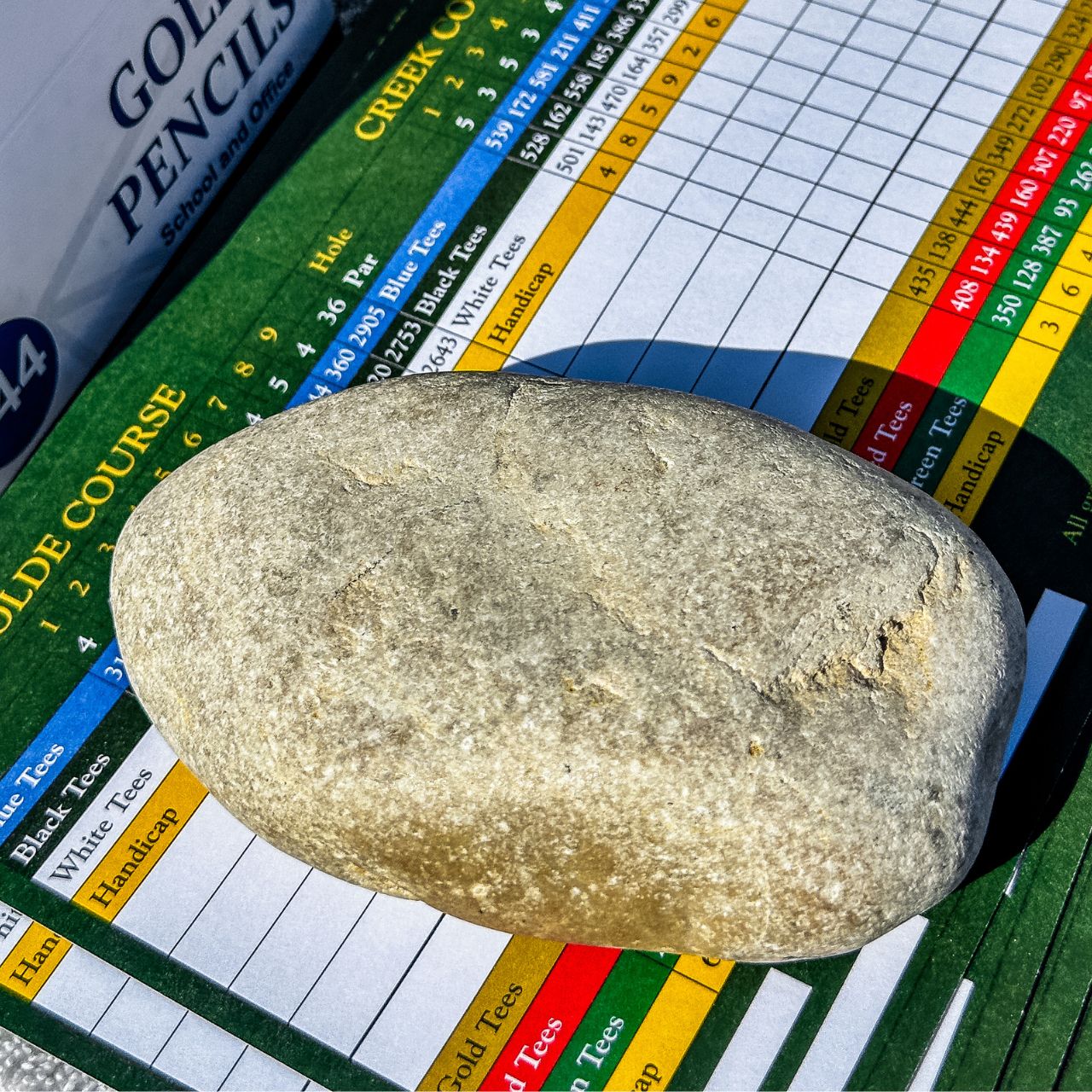


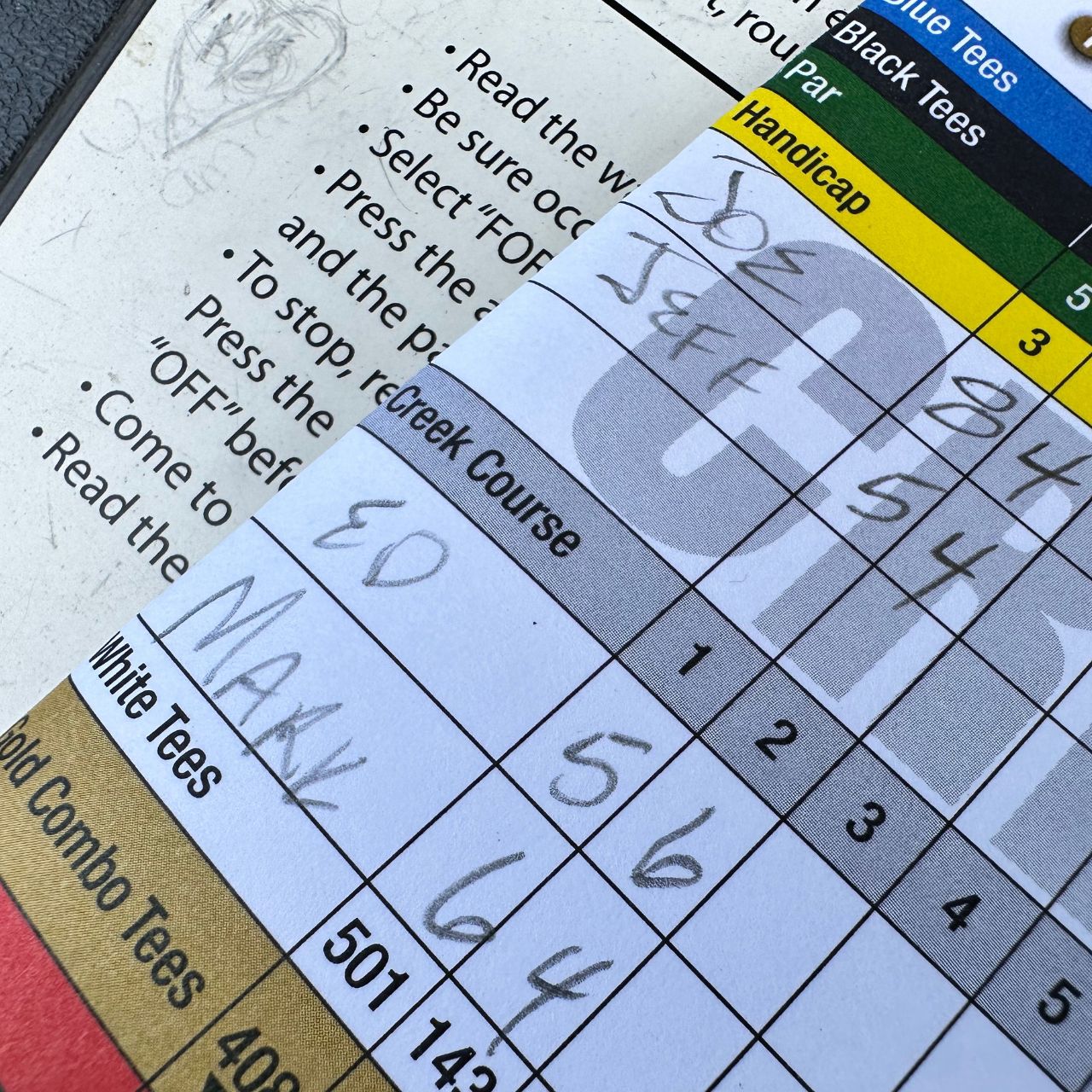
I’m not a golfer. My good friend Mike told me so. This was after, oh, seven or eight years of hacking away at it, without demonstrating any real dedication to the game. Mike was a single digit, played three to four times a week. He met me at the first tee once a week only because it allowed him to relax, after a week’s worth of competition with the A and B players. His time with me on the course was somewhere between chaperoning a charity case and simply grabbing the chance to spend the afternoon together as friends.
When Mike laid on me the news that I was no golfer, he immediately followed with, “Because it’s just not that important to you.” He wasn’t lecturing me. Fact was, he was right.
I liked the idea of golf, the traditions of the game, its confounding beauty, its romance. And I understood, at least in theory, the hard work required to reach even bogie status (which I never achieved). And Mike was correct, I frankly didn’t have the drive in me to invest the necessary time it took to be a true golfer. My drives existed elsewhere.
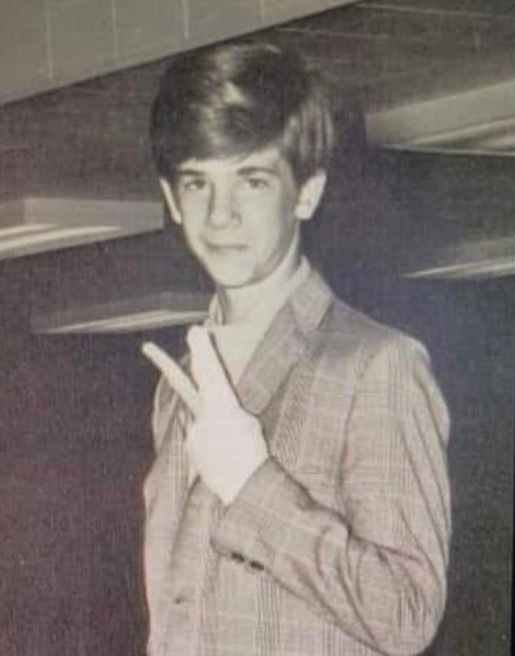
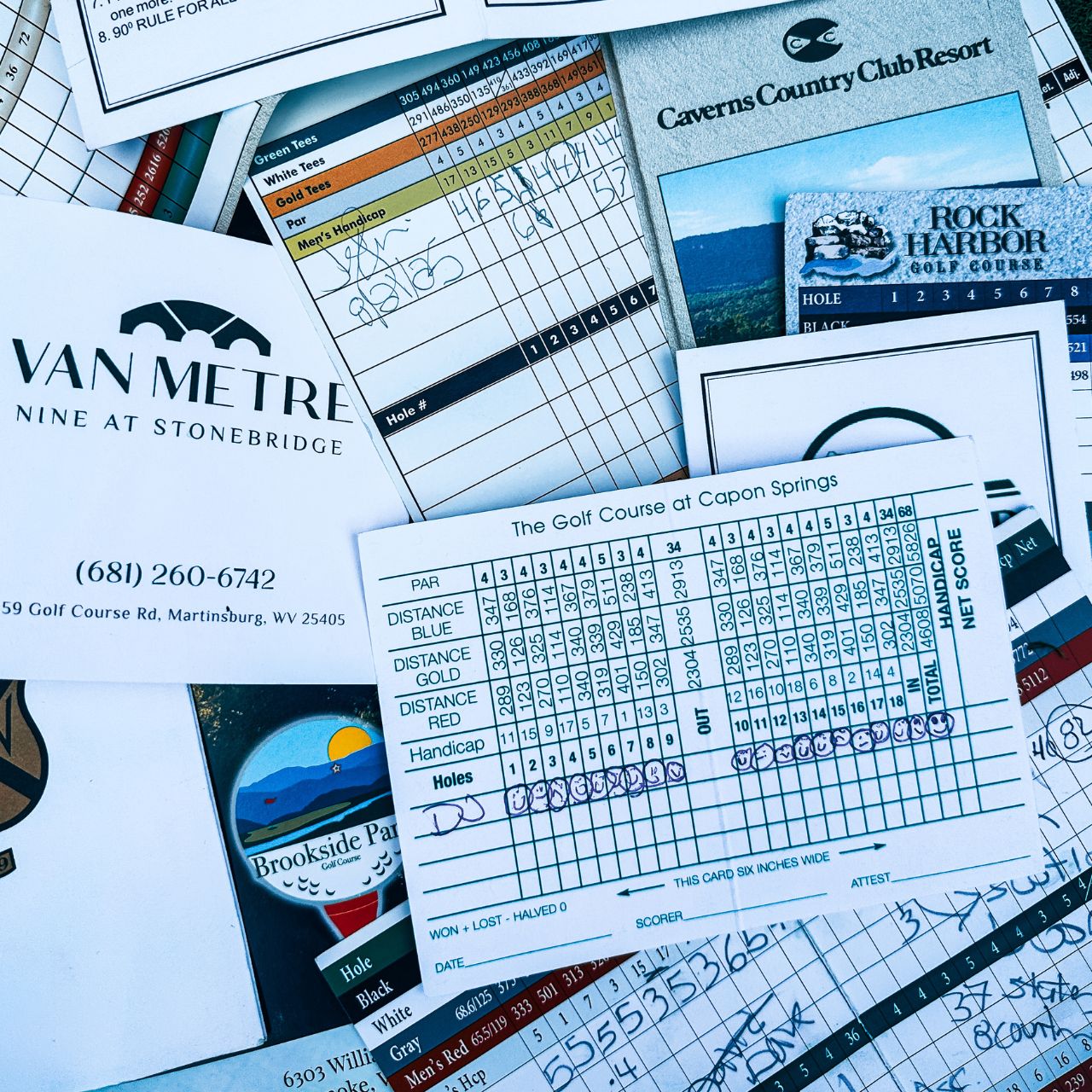
At the same time, I didn’t want to sacrifice my weekly walk through a beautiful landscape with my friend. How could I keep that going, and still not be embarrassed by my lack of discipline and focus?
Mike had the answer. “I want you to play Happy Golf.”
“I’m listening,” I said.
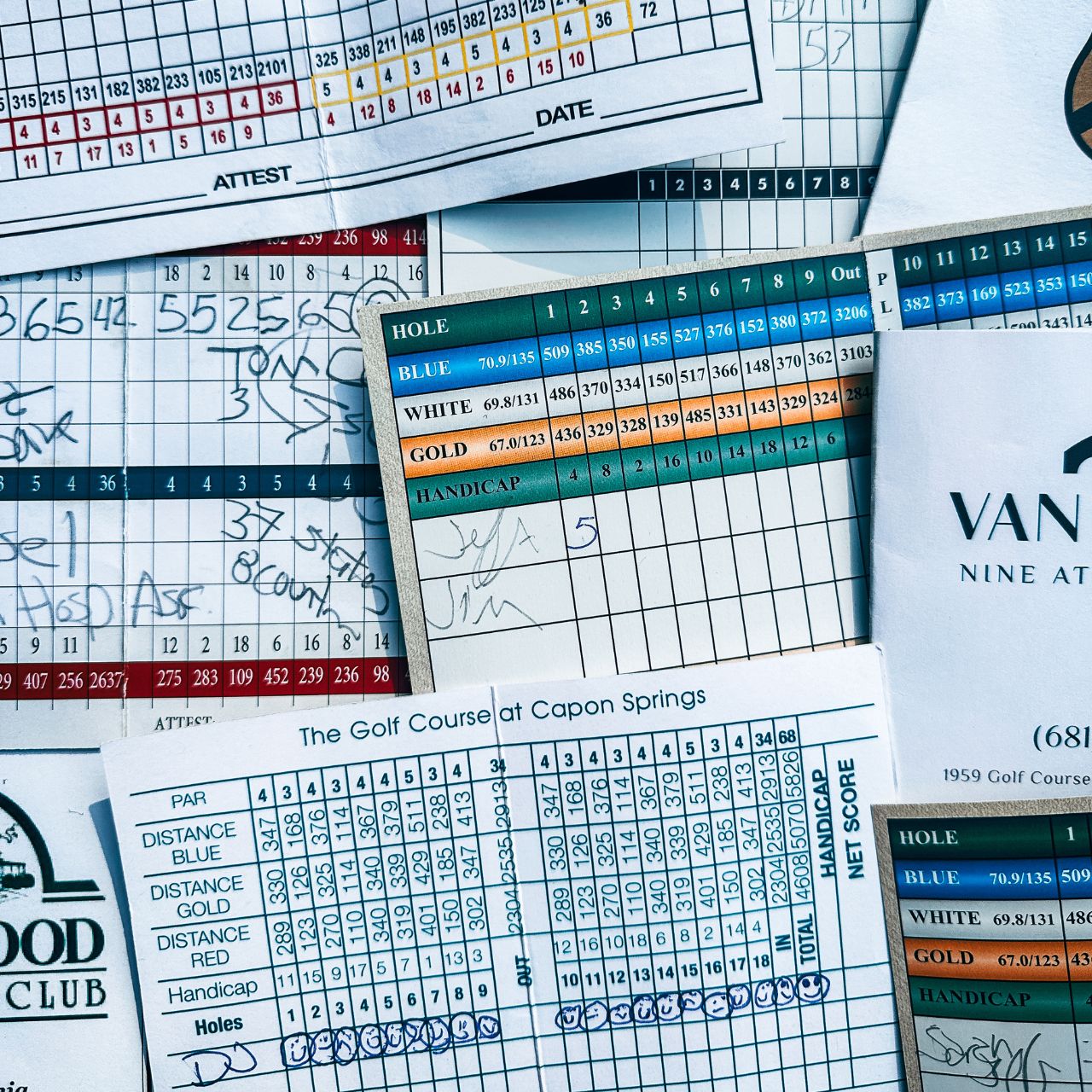
“Don’t score,” he said. “At the end of each hole, I just want you to think about one, single thing that you were happy with on that hole. Only one thing, A putt. A save. A second shot. Maybe only that feeling of relaxation you got through a particular swing. If it’s just one thing on that hole, I want you to put a smiley face down on the card. At the end of the round, add up your smiley faces. That’s your score.”
It was a eureka moment. In an instant, the frustrations from having no idea what I was doing evaporated. I was free to be mediocre (ahem, at best).
I went about playing Happy Golf for another full year, every week resisting the natural urge to calculate my score the traditional way. The smiley faces multiplied over time. My acceptance of my inferiority deepened. Anger and self-loathing – the Thunderdell that stalks every real golfer – dissipated. Because I always would remind myself I was, as Mike put it, not a golfer.
Playing Happy Golf taught me the pursuit – and sometimes the realization – of grace, patience and the giddy joy that comes from laughing at myself.
A few years later, I gave up the ghost. Haven’t been on a course in years. But the lessons of Happy Golf endured, spilling into my daily life. Each day earns at least one smiley face, I figure. Thank you, Mike.