


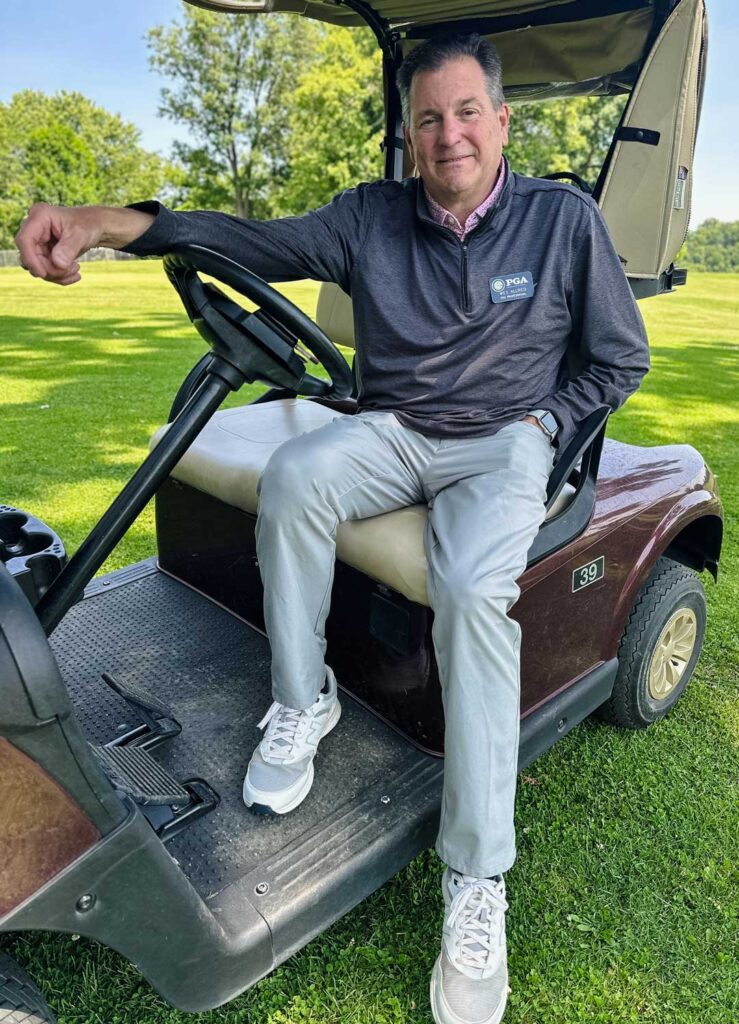
Jefferson: Wes, thanks for meeting with me today.
Wes: Absolutely, my pleasure.
Jefferson: Wes, I’ve been bothering you for three years now. You’re kind of a local legend—just a busy one. I first met you not long after a major storm hit Gypsy Hill.
Wes: Yeah, we were hit by what the National Weather Service finally called a derecho, though some thought it might’ve been an F1 or F2 tornado. We lost about 200 trees. Some were damaged beyond saving. Others just came down.
Jefferson: Big trees too, right?
Wes: Huge. One came down beside the pro shop and damaged the building. I was inside when it hit—me and my assistant. We saw limbs flying horizontally through the air like missiles. It was surreal. Water poured in through the walls like a waterfall. The men’s locker room was wrecked, but the ladies’ locker room stayed dry.
Jefferson: I remember visiting afterward. You were set up in a small barn for nearly a year, right?
Wes: Yep. Eleven months. We worked out of that little space until repairs were finished.
Jefferson: There was talk years ago about closing this course down.
Wes: That’s true. I needed tools to prove we could make money here—like new carts. Ours were 14 or 15 years old. We finally got 40 brand-new ones from E-Z-GO, right in the middle of the COVID supply chain nightmare.
Jefferson: You wear a lot of hats, Wes. I’ve heard you’re also a pretty good golfer.
Wes: I do hold the official course record—61. It’s stood for a while now.
Jefferson: What do you think the future of golf looks like?
Wes: Honestly, bright. COVID gave golf a strange but real boost. After a few months of shutdown, it became one of the only safe outdoor activities. People found their way to the course.
Jefferson: Do you notice younger players changing the game?
Wes: Definitely. They’re more casual. They like music while playing. They’re also drawn to things like Topgolf. Even I was surprised how much I enjoyed it. It’s a great gateway to traditional golf.
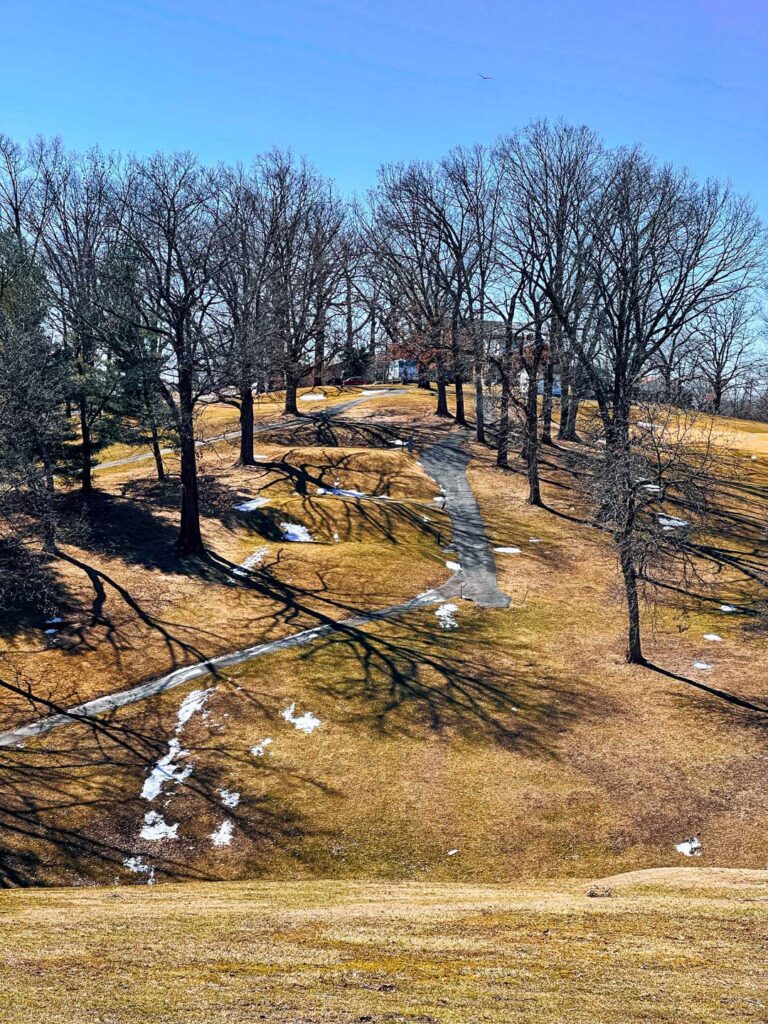
Jefferson: Let me ask a tough one: what’s up with all these hills? This might be the hilliest course I’ve ever seen.
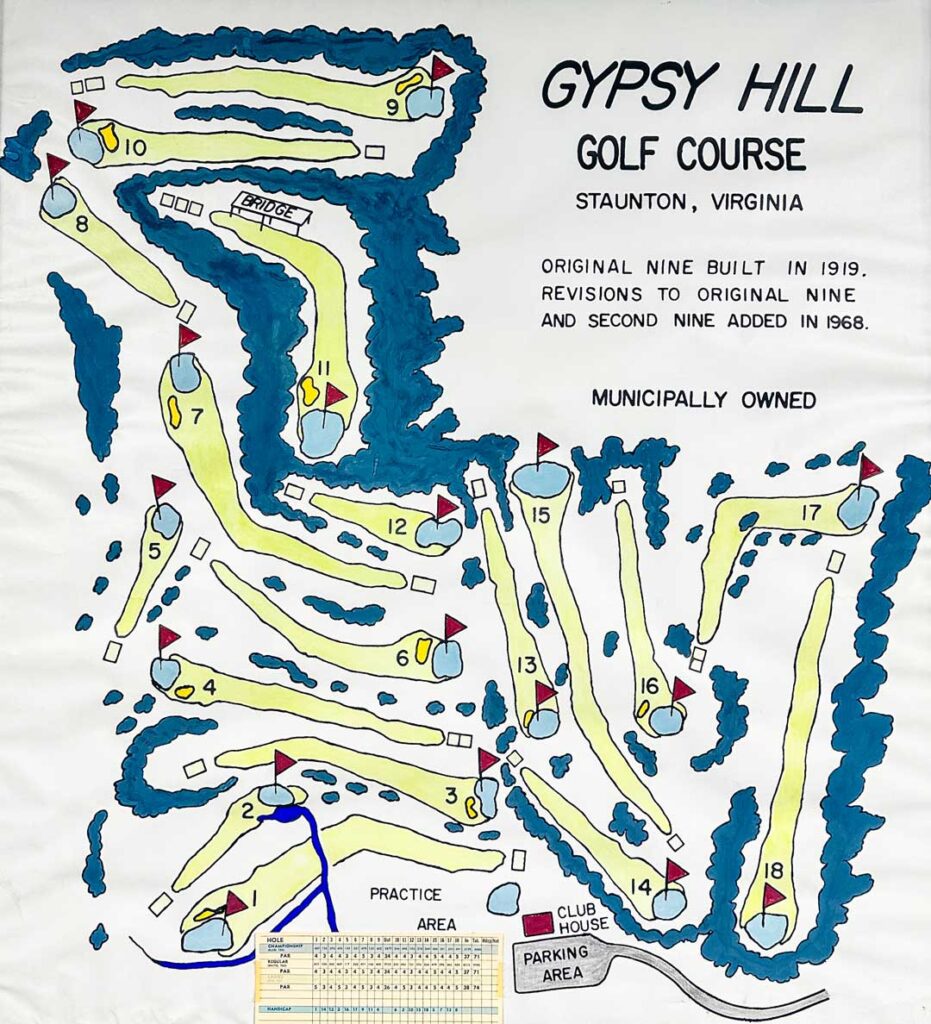
Wes: You’re not wrong. The course dates back to 1919. Three families originally owned this land, each building three holes. The left side of the course was all apple orchards and horse pasture. The other nine holes came in 1968.
Jefferson: Staunton is a hilly town in general.
Wes: Very. And we’ve got a lot of underground springs and caverns beneath us, which adds character … but also elevation.
Jefferson: It really feels like stepping back in time out here.
Wes: It does. It’s peaceful. And we still have three of the original nine holes in play—same tee boxes, same greens.
Jefferson: That’s rare and beautiful. Staunton’s got that charm. You can grab a burger or ice cream, play some golf, maybe catch a Shakespeare play downtown.
Wes: There’s something for everybody here.
Jefferson: So what about you? When did you first pick up a club?
Wes: Right here at Gypsy Hill. I was 12. My first lesson was with N.L. Divver—at the same practice area where I now give lessons. Full circle.
Jefferson: Did you take to it right away?
Wes: Not at all. I swung 17 times and missed the ball every single time. Coach Divver said, “You sure you don’t want to try football?” I was a big kid, so he figured I’d be better at that. But I told him, “No, my dad plays golf.” That lit a fire in me. From then on, I practiced constantly. I wasn’t the most naturally talented, but I outworked everyone.
Jefferson: Did you get to play with your dad?
Wes: Sometimes. He worked long hours, but we’d play nine holes at Ingleside. That was our time together.
Jefferson: And didn’t you caddy for Sam Snead?
Wes: I did. Just for three holes during an exhibition. I didn’t play—just carried his bag. But watching him was something else. He had this clinic where he hit 7 or 8 balls with the same club, and you could’ve thrown a towel over where they landed. Unreal precision. On the first hole, he asked me how far he had. I said, “134, maybe 136.” He looked at me and said, “Which is it, kid?” So I told him, “134. You’ll be below the hole, uphill putt.” He hit it, spun it back to about six feet. He looked at me and said, “Good yardage, kid.”
Jefferson: That’s a memory for a lifetime.
Wes: It is.
Jefferson: Do you have a favorite hole here?
Wes: Number nine. It’s tree-lined and playing from the blues, you’re hitting out of a chute. It’s beautiful and challenging.
Jefferson: What’s your favorite part of your job?
Wes: The people. I love talking with the customers, hearing their stories. That’s what keeps it meaningful.
Jefferson: Anything else you’d want to share?
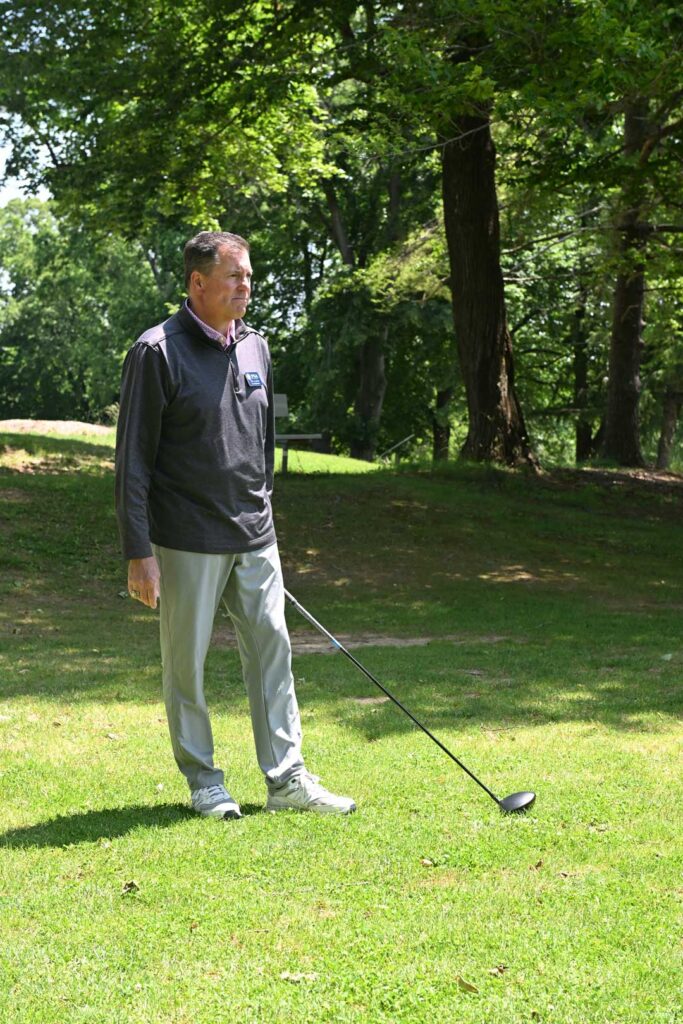
Wes: Just that this course means a lot to me. I grew up here in Staunton. Took my first lesson here. Like a lot of kids, I couldn’t wait to leave town—but once I did, I realized how special it is. When the chance came to come back as the pro where I first learned the game … that’s not something you hear every day. It’s been nearly 27 years now.
Jefferson: You planning to stick around a little longer?
Wes: I am.
Jefferson: Good. We’re lucky to have you.